Cuisine Ecosystemic

taste of the unknown

It all starts with the observation of an ecosystem inside the rainforest. By carefully understanding this biodiversity and observing the interactions between plants and animals, a story is born and becomes the foundation of a dish.

Our mission is dual in nature. We seek not only to preserve the vanishing culinary knowledge of the Asian rainforest but to actively celebrate and safeguard the rich natural and cultural heritage of this vital region.

Research

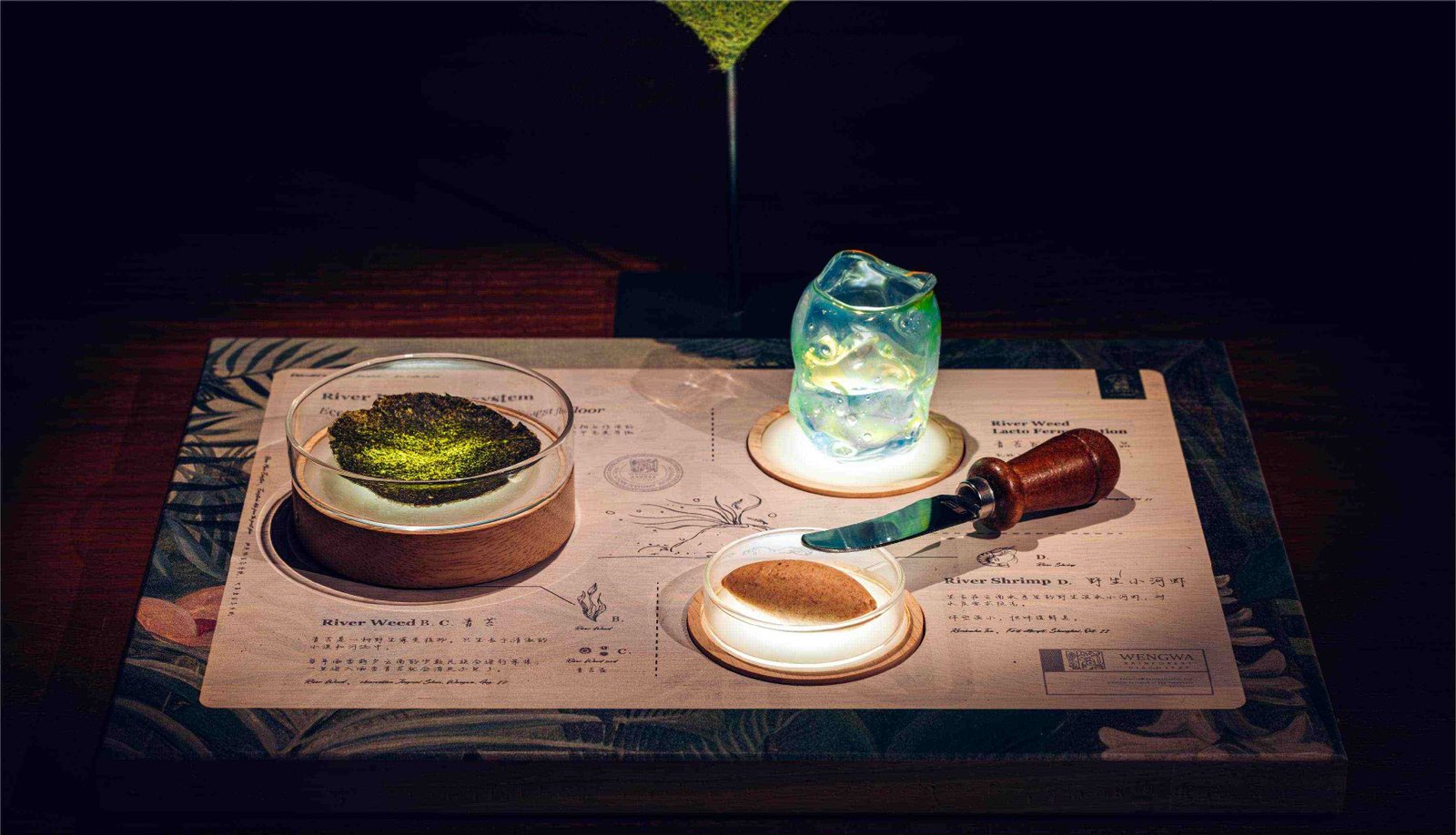
Ecosystemic Cuisine is a concept that Wengwa Rainforest develops for the creation of each culinary experience.

This encompasses not only what is inside the plate but also the entire concept surrounding the dish. This includes the creation of the tableware, the surrounding music, and also the way the ingredients are prepared and executed.

The Process

Let's delve into the execution of a dish using the concept of Ecosystemic Cuisine with the story of a Savoring Symbiosis:


The Termites and their Mushroom Partner

Let me take you on a culinary exploration of the fascinating Yunnan termite, scientifically known as Odontotermes yunnanensis. What makes this termite truly unique is its remarkable farming practice right inside its clay nest - cultivating the mycelium of Termitomyces heimii Natarajan, the termite mushroom.

Termites farm the mushroom in their nests for food. This symbiotic relationship ensures a reliable food supply and relieves pressure in scarce times. The mycelium benefits from the termites' care, while termites and their larvae thrive on the protein-rich mycelium.

During the rainy season, as the moisture levels rise, the fungal mycelium thrives within the termite dome. And then, like magic, mushrooms start to pop out, creating a captivating sight. This is when the Bulang people, residing in the region, eagerly collect these mushrooms.

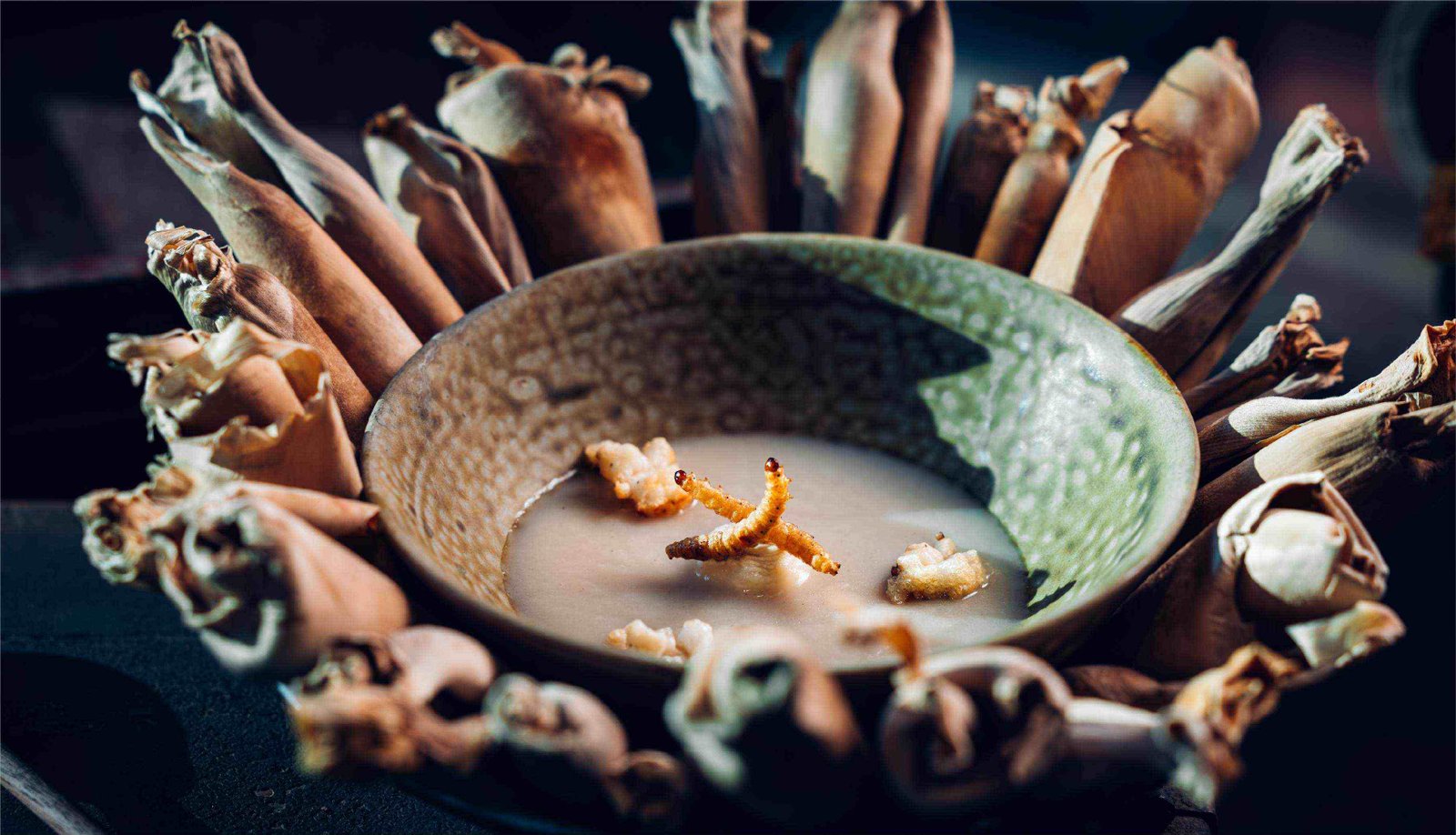
Once harvested, the Bulang people pan-fry the mushrooms with a pinch of salt. The result is a culinary delight that boasts a rich, creamy texture and serves as an excellent source of protein. The flavor is truly exceptional, elevating the dining experience to new heights.
Cuisine ecosystemic

Jungle to Table, Jingmai Mountain, Yunnan

Ingredients

Termite mushroom

heimii mycelium

Yunnan termite

Odontotermes yunnanensis

Dish creation

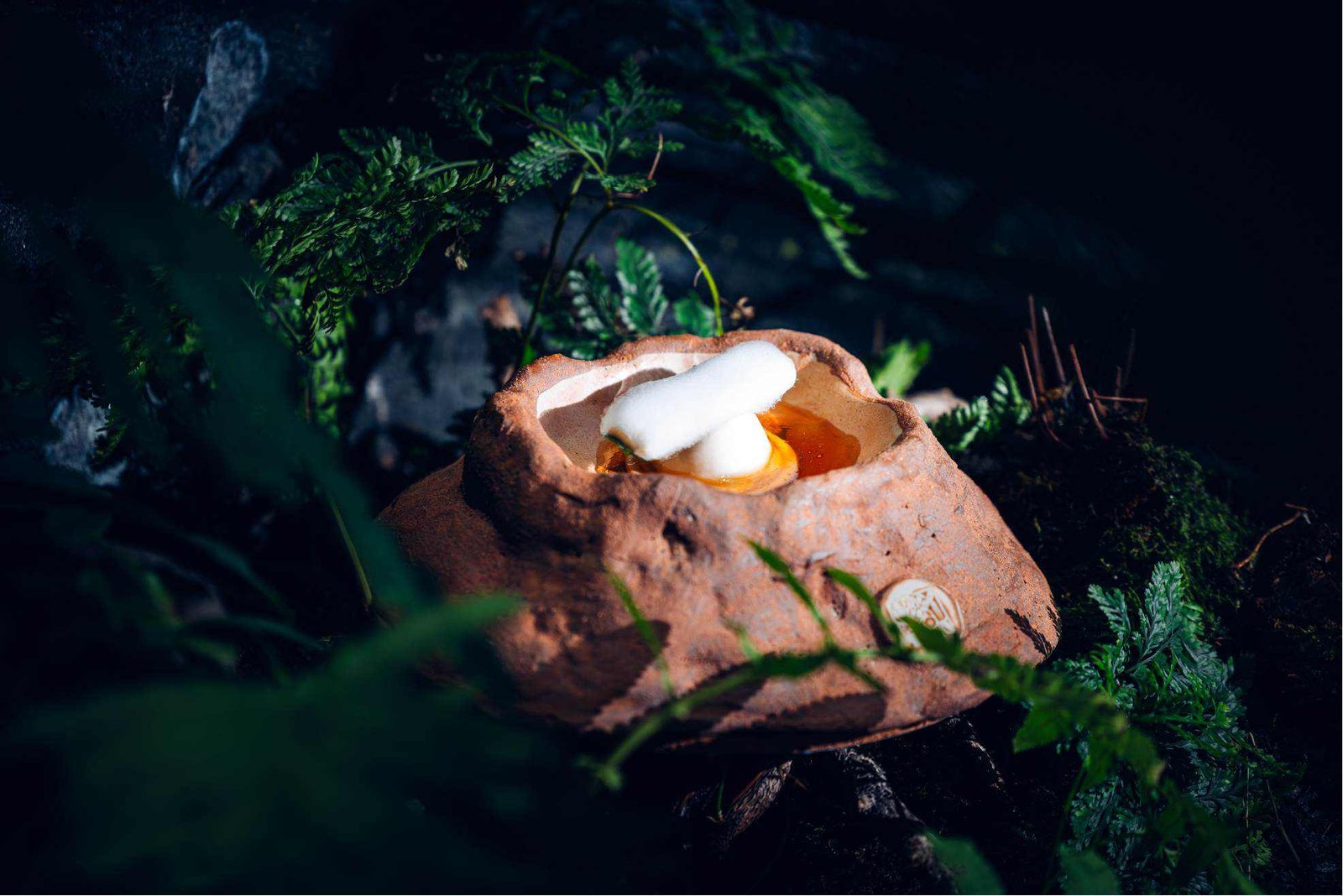
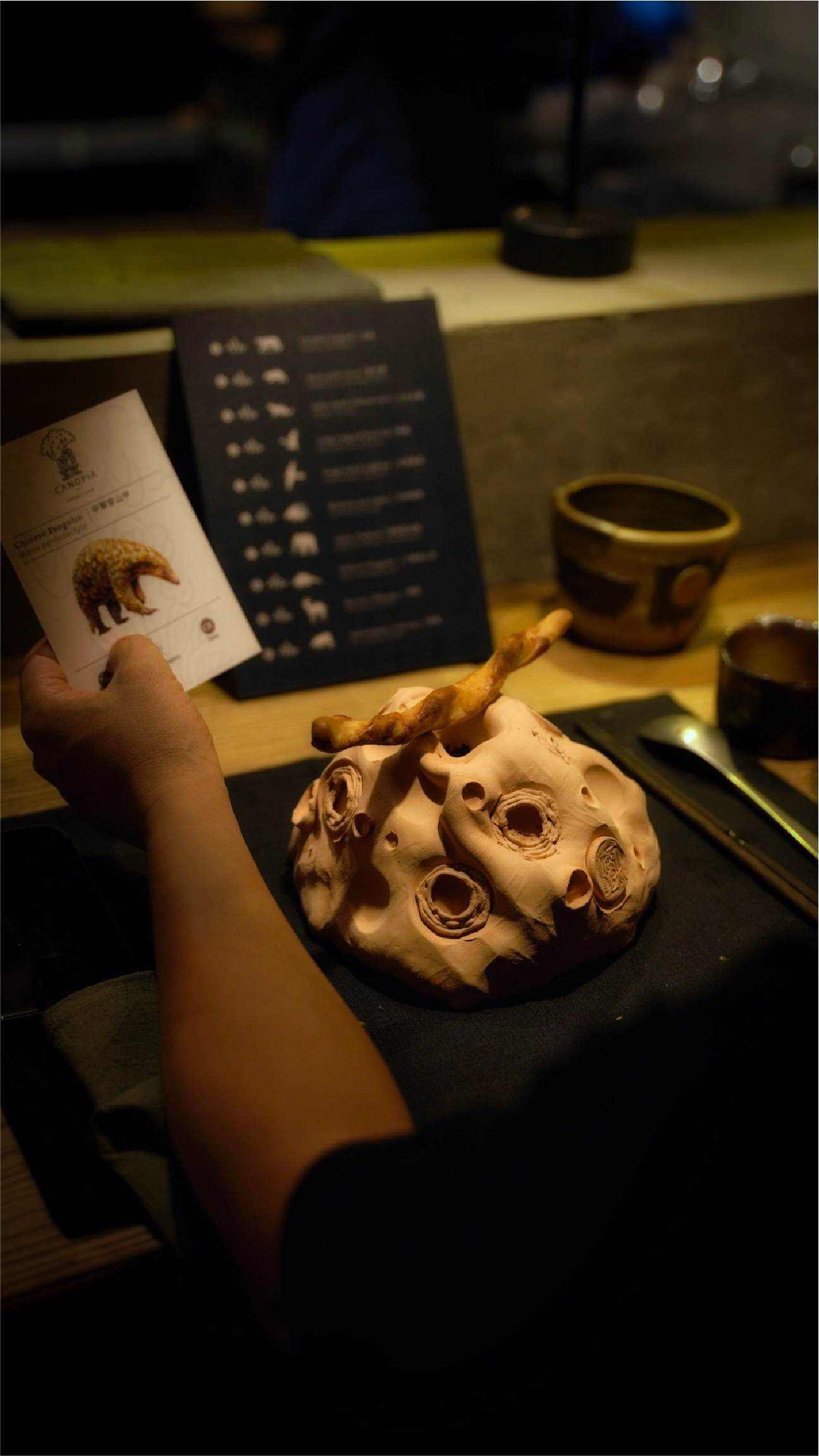
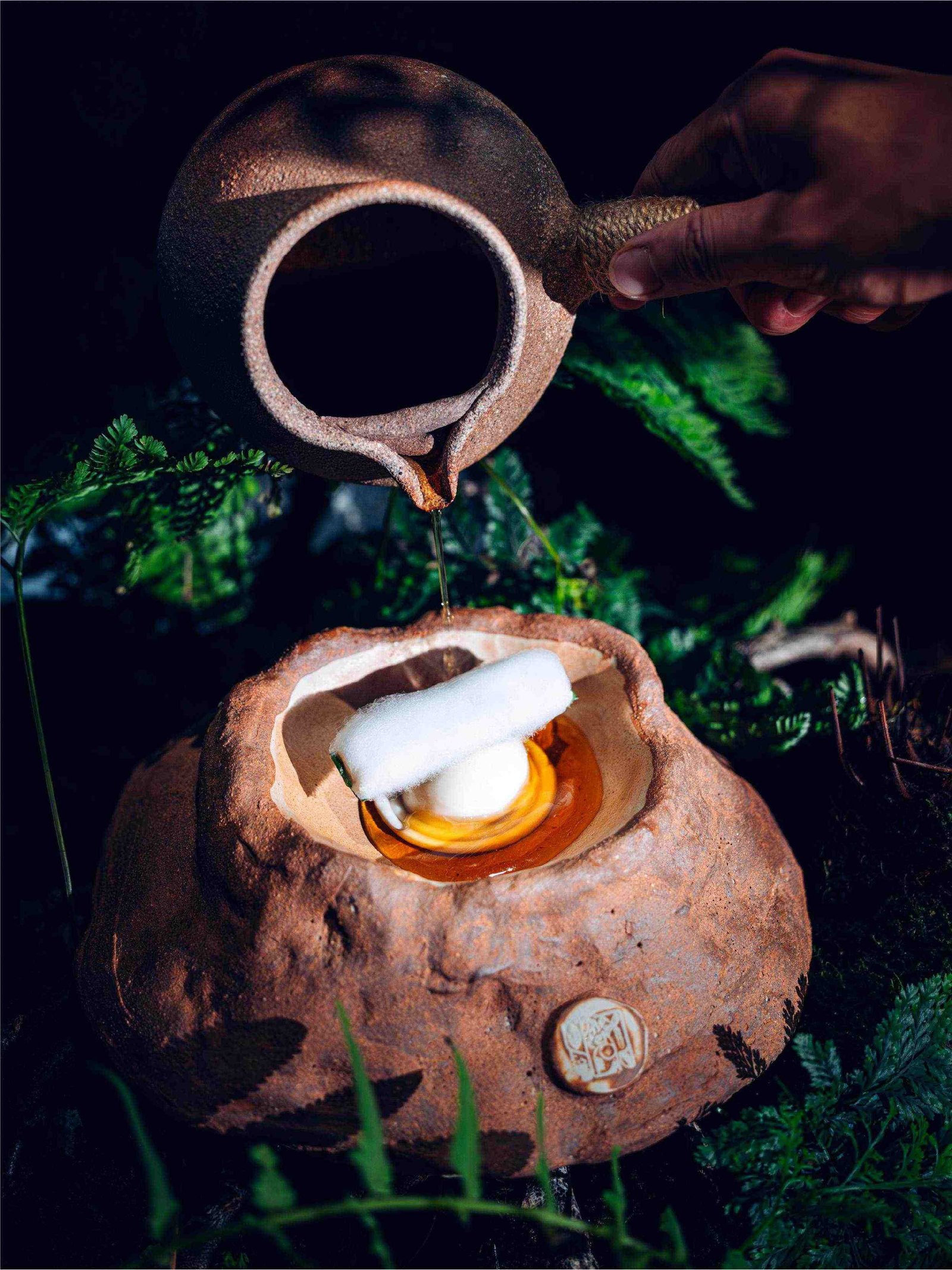
The dish was created in the same way nature presents it to us. We use termite clay to create a vessel. Inside it, we use the same mushroom to recreate a mycelium, then add some fresh leaves that are used by the termites to feed the mycelium. A glaze is made using mushroom Garum, and a mushroom crumble will provide the texture we are seeking.


All the ingredients are combined, and we close the clay vessel in the shape of a termite nest. The clay is then cooked inside an oven, unleashing all the fragrance of the mushroom. After cooking, the clay becomes hard, and the guests are invited to break the clay to discover this ecosystem dish inside our termite nest.


But our Ecosystemic concept goes even further. The surrounding music immerses people inside the termite nest. Our team records underground sounds from inside the termite nest, and these sounds are then composed into music. This is another way to amplify the immersive and close look at this unique symbiosis.

Dish creation

Passion Drives Conservation

Experience

Ecosystemic cuisine is more than food from a place — it is food in harmony with its place, expressing the wisdom of balance, season, and survival.

– Aifa, co-founder of Wengwa Rainforest Discovery